Dutch Word of the Day
wonder
VON-dur
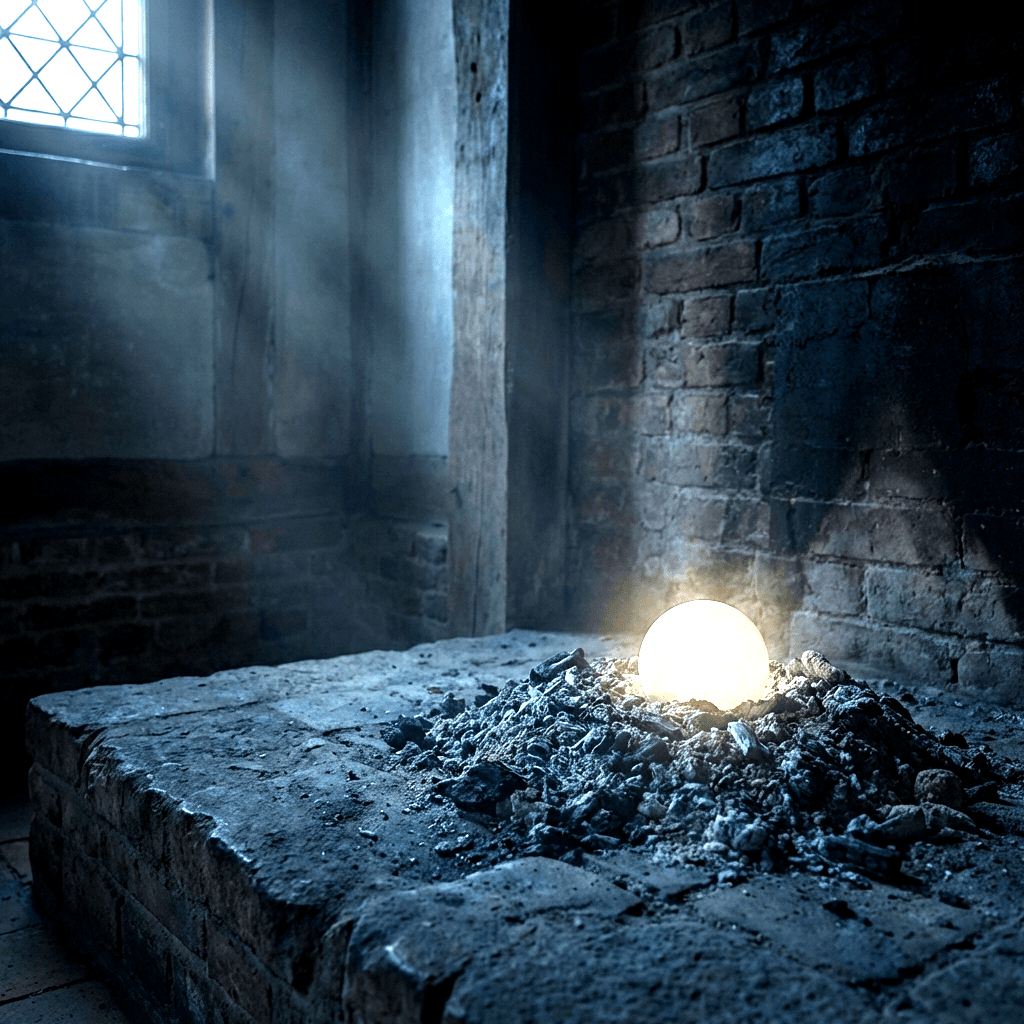
In 1345, a dying man in Amsterdam received the last rites and vomited the communion wafer into the fireplace. When the fire was cleaned the next morning, the wafer was found intact in the ashes — unburned. The Miracle of Amsterdam (Het Mirakel van Amsterdam) was declared.
This single event transformed Amsterdam from a muddy fishing village on the Amstel into a major pilgrimage destination. The Heilige Stede (Holy Place) was built on the site, and thousands of pilgrims walked to Amsterdam each year. The city grew rich from religious tourism centuries before secular tourism took over.
During the Reformation of 1578 — the Alteratie — Catholic worship was banned in Amsterdam. The miracle procession went underground. But since 1881, the Stille Omgang (Silent Procession) has taken place every March: thousands of people walking the pilgrimage route through the city centre at midnight, in complete silence. No banners, no chanting — silence as a form of prayer and defiance.
The word "wonder" in Dutch means both "miracle" and "wonder." The site of the original miracle is now the corner of Kalverstraat and the Rokin — Amsterdam's busiest shopping street.
Learn Dutch through Amsterdam's history
Every lesson in Wander is a walk through a different era — the Golden Age, the Resistance, the canal builders. Language learning the way Amsterdam feels.
Start Learning Free →Free first episode. No credit card.
More Dutch Words