Dutch Word of the Day
huis
HAYS
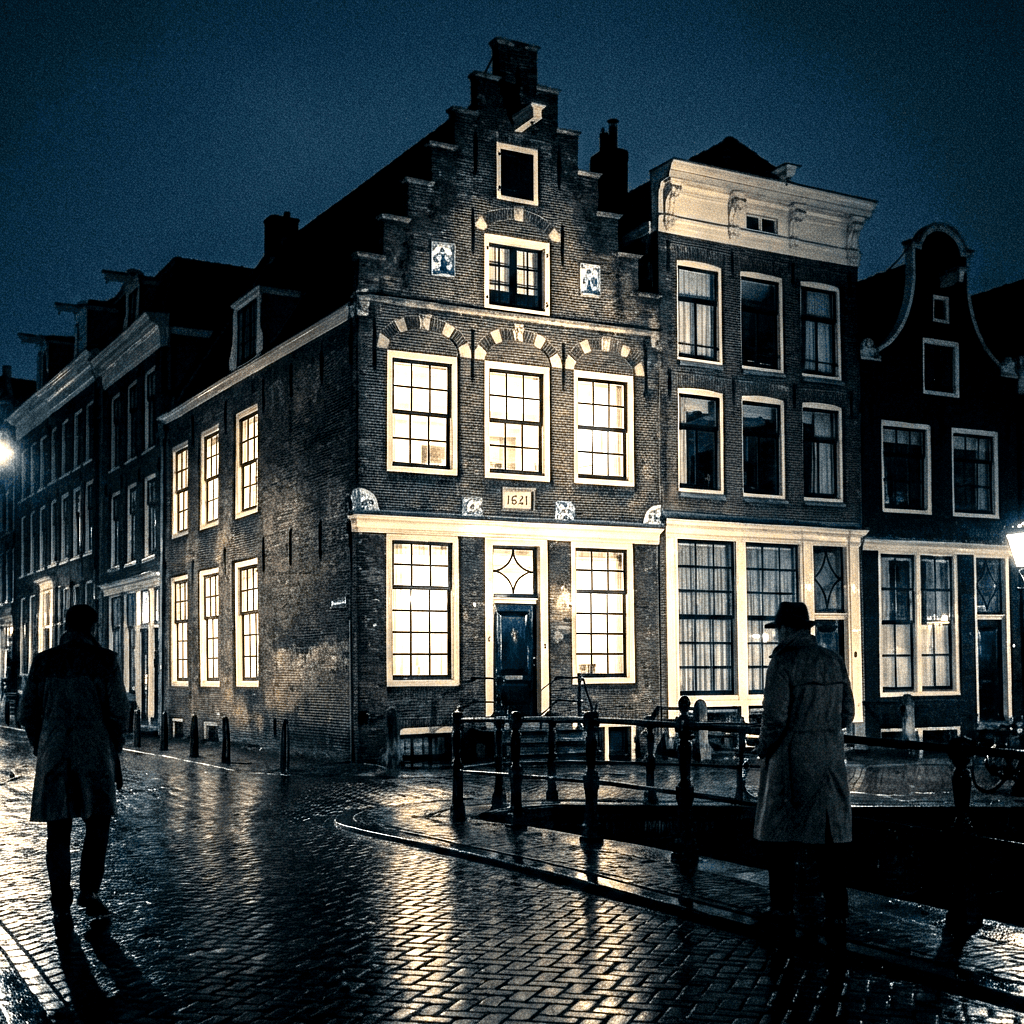
The Amsterdam canal house — the grachtenhuis — is one of the most recognisable architectural forms in the world. Narrow, tall, with ornate gables and a slight forward lean, these houses have lined the canals since the 1600s.
The lean isn't a defect — it's deliberate. The steep, narrow staircases inside made it impossible to carry furniture up, so a hook beam (hijsbalk) was installed at the top of each house. Goods and furniture were hoisted up on ropes and swung through the windows. The forward lean ensured nothing scraped the facade on the way up.
Property tax was based on facade width, so merchants built narrow and deep — sometimes 6 metres wide but 30 metres deep. Behind many canal houses are hidden gardens (tuinen) invisible from the street.
The gable style tells you the era: step gables (1600s), neck gables (1640s), bell gables (1660s), and the later corniced gables (1700s). Each was a statement of wealth and taste. Today, Amsterdam has approximately 6,800 protected canal houses, and the grachtengordel is a UNESCO World Heritage Site.
Learn Dutch through Amsterdam's history
Every lesson in Wander is a walk through a different era — the Golden Age, the Resistance, the canal builders. Language learning the way Amsterdam feels.
Start Learning Free →Free first episode. No credit card.
More Dutch Words